

Podiatrist Woollahra
- NDIS Registered
- No referral needed
- 3 Sydney clinics
If your big toe joint aches in dress shoes, or the side of your foot rubs raw by the end of a day out, you’re not alone. Podiatry First provides podiatry Woollahra locals can rely on for clear answers and a practical plan that keeps you walking. We help with forefoot pain, bunions, heel pain, and day-to-day strain that builds from busy weeks, village walking, and shoes that look right but feel wrong.
Ready to act now?Book an appointment online or call our clinic.
Podiatrist near Woollahra for forefoot pain, bunions, and walking comfort
If you’re looking for a podiatrist near Woollahra, it helps to name what drives foot pain here. Woollahra life often means regular walking for errands, school runs, and social plans around Queen Street village and nearby Edgecliff. Many locals spend long days in dress shoes, boots, or flats that hold the forefoot tight. Over time, that mix can shift load to the front of the foot and irritate the big toe joint.
That’s why we often see the same pattern: forefoot burning after a few hours out, a growing bump at the base of the big toe, shoe rub that won’t settle, and pain that changes the way you walk. The goal isn’t to “push through.” The goal is to reduce pressure, settle the joint, and keep you moving.
Foot and ankle care Woollahra: the pain patterns we see most
Foot and ankle care Woollahra patients need often starts with a simple question: where is the pressure going, and why is it landing there?
Common Woollahra patterns include:
- Big toe joint pain that flares in narrow shoes
- A bunion bump that rubs and swells by the end of the day
- Forefoot pain Woollahra locals feel after long walks or standing at events
- Heel pain after walking, especially first steps the next morning
- Callus under the ball of the foot from repeated load
- Toe crowding or numbness from tight toe boxes
- Lower limb overuse injuries that build when you change how you walk
If these sound familiar, you don’t need vague advice. You need a clear plan that fits your shoes and your week.
Heel pain podiatrist Woollahra: what we help with most
If you need a heel pain podiatrist Woollahra locals can reach easily, we start with what hurts and what triggers it. Then we work back to the cause.
Woollahra NSW 2025 patients commonly book in for help with:
- Heel pain and walking pain — our guide toheel pain treatment can help you understand common causes
- Bunions and big toe joint pain — seebunions (hallux valgus)
- Forefoot pain and metatarsalgia-style load (burning behind the toes)
- Support that fits real footwear, including orthotics — exploreorthotic solutions
- General foot care for corns, callus, and nail issues — seegeneral podiatry treatment
- Skin and viral issues such asplantar warts, which can spread in shared wet areas
If pain keeps returning after shoe swaps or rest days, it often means pressure and load still aren’t right.
Bunions in Woollahra: when forefoot load and footwear start to bite
In podiatry Woollahra, one of the most common concerns we hear is, “Why is my big toe joint getting sore, and why do my shoes feel tighter each year?” A common cause is bunions (hallux valgus) — when the big toe drifts and the joint sticks out. Early on, it can feel like rub and redness. Over time, it can become a deep joint ache, swelling, and a change in how you walk.
Woollahra has a few drivers that can speed this up.
Footwear pressure builds slowly.Dress shoes, boots, and flats can hold the forefoot in a narrow shape. Even when they don’t “hurt” at first, they can push the big toe in and load the joint at an angle. That pressure adds up across years.
Village walking loads the front of the foot.Daily walking is good for health, but it still loads the forefoot. If your big toe joint takes more pressure than it should, pain can flare after a long day out, a weekend event, or a stretch of busy weeks.
Your mechanics can tip the joint into strain.Some feet roll in and collapse through the arch. Others stay stiff and push hard through the big toe. Either way, if the joint takes more load than it can handle, the sore spot stays sore.
So what helps?
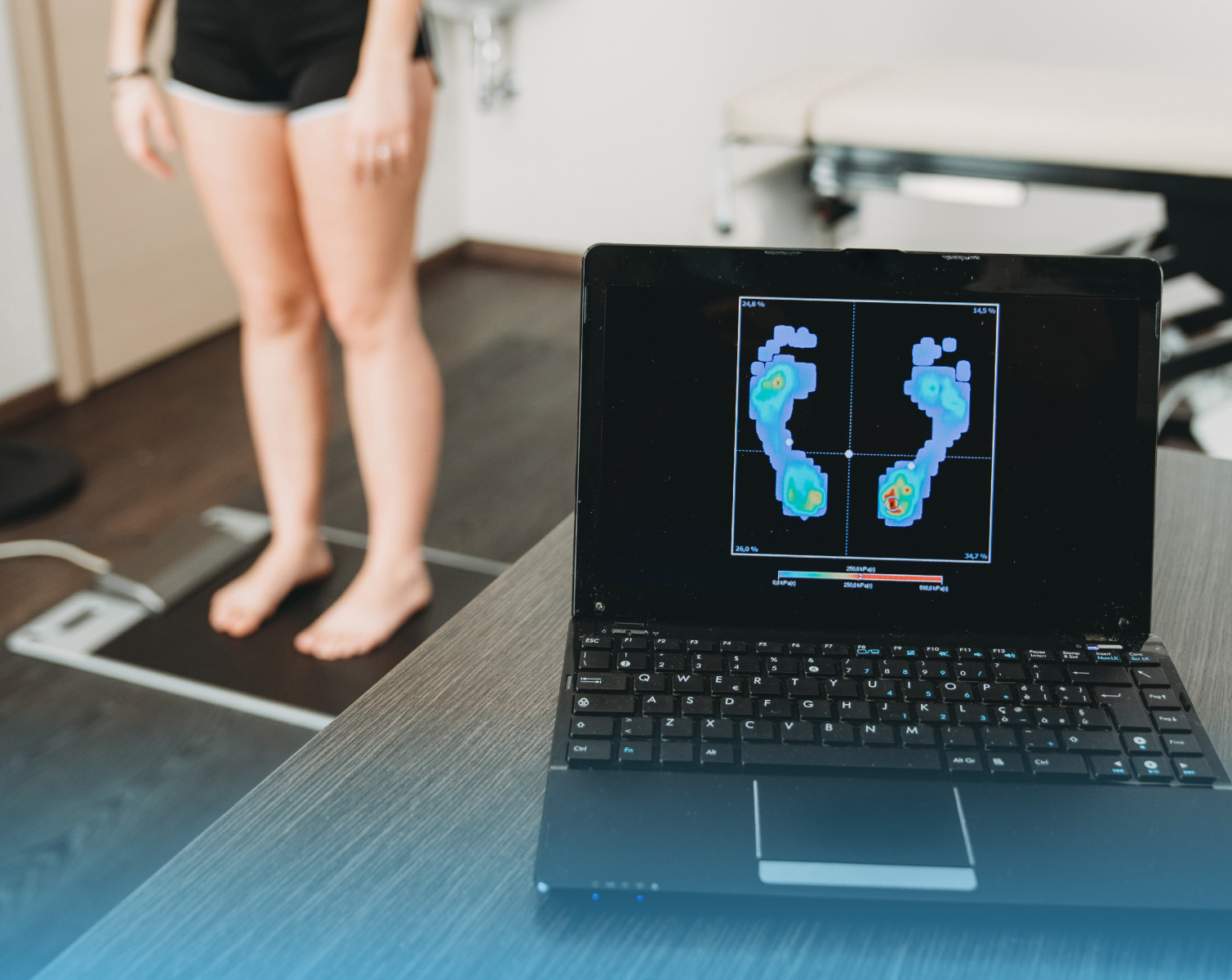
We start by checking what is driving the pressure. Abiomechanical assessment is a detailed check of how you move, how you load the forefoot, and what the big toe joint does during walking. We also look at your most worn shoes, because they often show where pressure is landing.
Conservative care can make a real difference, especially when you start early. That may include:
- Shoe and fit changes that reduce pressure on the bunion area
- Simple padding or offload strategies to stop daily rubbing
- Targeted strength and mobility work to improve how the foot takes load
- Support when needed, including orthotics designed to reduce stress through the forefoot
You can read more about causes and options in our guide tobunions.
A lot of people worry that a bunion check means surgery talk. It doesn’t. We focus on conservative care first. If pain becomes severe or the joint stiffens and limits life, we can guide you on next steps and referrals when needed.
If bunion pain is changing how you walk, don’t wait for it to get louder.Book online or call us and we’ll map the cause and your options.
Foot doctor Woollahra: a common patient story
A Woollahra parent in their 40s comes in after months of “making do.” They walk to Queen Street most days, do school drop-off, then head into work in smart shoes. At first, the bunion only rubbed by mid-afternoon. Then the big toe joint started to ache as soon as they left the house. They began choosing routes with fewer steps and standing on the outside edge of the foot to avoid pressure.
In the room, we see a tight toe box pattern in the shoes they wear most, along with forefoot load that keeps driving stress into the big toe joint. A biomechanical assessment — a detailed check of how you move helps us spot how the foot rolls and where the joint takes extra force. We then build a plan they can follow during busy weeks: reduce daily rub, spread forefoot pressure, and choose support that still works in dress shoes. With small fit changes, targeted strength work, and the right support, they keep walking without the end-of-day flare.
Podiatrist Woollahra NSW: how we work and what to expect
As a podiatrist Woollahra NSW patients can rely on, we keep the process simple and direct:
- 1Listen first — what hurts, when it started, what triggers it
- 2Check the sore area — joint, skin, and pressure points
- 3Assess movement and load — walking pattern, foot shape, shoe wear
- 4Explain the cause in plain words — no jargon, no vague answers
- 5Build a plan you can follow — steps that fit your shoes and your week
- 6Review and adjust — we track change and tighten the plan as you improve
If your problem needs depth, we may spend 45–60 minutes to get clarity and set the plan properly.
Sports podiatrist Woollahra: support for active goals too
If you want a sports podiatrist Woollahra, we can help with running injuries Woollahra residents get from load spikes, training changes, or poor recovery. We keep the focus on practical changes that reduce strain and help you keep moving.
For a dedicated performance pathway, explore oursports assessment service.
Getting here from Woollahra: podiatrist near Sydney CBD
If you’re looking for a podiatrist near Sydney CBD, our clinic is straightforward to reach from Woollahra:
- 16 minute drive via Cross City Tunnel
- 31 minute via Public Transport
Clinic address: Level 14, 88 Pitt Street, Sydney NSW 2000.
Frequently Asked Questions
My big toe joint hurts in dress shoes. Is that a bunion?
It can be. Bunions often start with pressure and rub at the big toe joint, then progress into deeper joint pain. We can check what’s driving the strain and help reduce pressure in the shoes you actually wear.
Can orthotics work in dress shoes or flats?
Often, yes. The goal is support that fits your real footwear, not only runners. We’ll talk through realistic options and what will feel comfortable.
Do you treat heel pain after walking?
Yes. Heel pain can flare after long walking days and often feels worse on first steps. We check what’s driving the load and reduce strain with a plan you can maintain.
Do you treat plantar warts?
Yes. Plantar warts can spread in shared wet areas and can be stubborn. We can guide treatment and prevention.
How do I stop bunions getting worse?
You can’t always stop progression, but you can often reduce pressure and slow flare-ups with better fit, load changes, and support. We’ll guide you on what is realistic for your feet and your lifestyle.
Can I use NDIS funding?
If you’re an NDIS participant, ask us about your plan and what you need for podiatry support. We’ll talk you through the practical steps when you book.
Book a Woollahra podiatrist appointment with clear next steps
If your bunion is rubbing every time you wear your usual shoes, or forefoot pain is cutting walks short, you don’t need to push through and hope. You need a clean diagnosis and a plan you can follow.
Book online or call the clinic to get care built for Woollahra life: walking days, footwear pressure, and the need to stay comfortable without giving up the week you want to live. If you’ve been searching for a foot doctor Woollahra locals trust, start here.
Podiatry First can also help you with the following treatments:
Book your appointment online
Three convenient Sydney clinics. No referral needed - book directly or call our friendly team today.